
…. or the spiritually energising value of different foods.
It occurred to me today that different foods affect my mood and feeling of wellbeing – something I am becoming more aware of – so it comes as no surprise to find it is true!
The Cosmic Energy of Foods
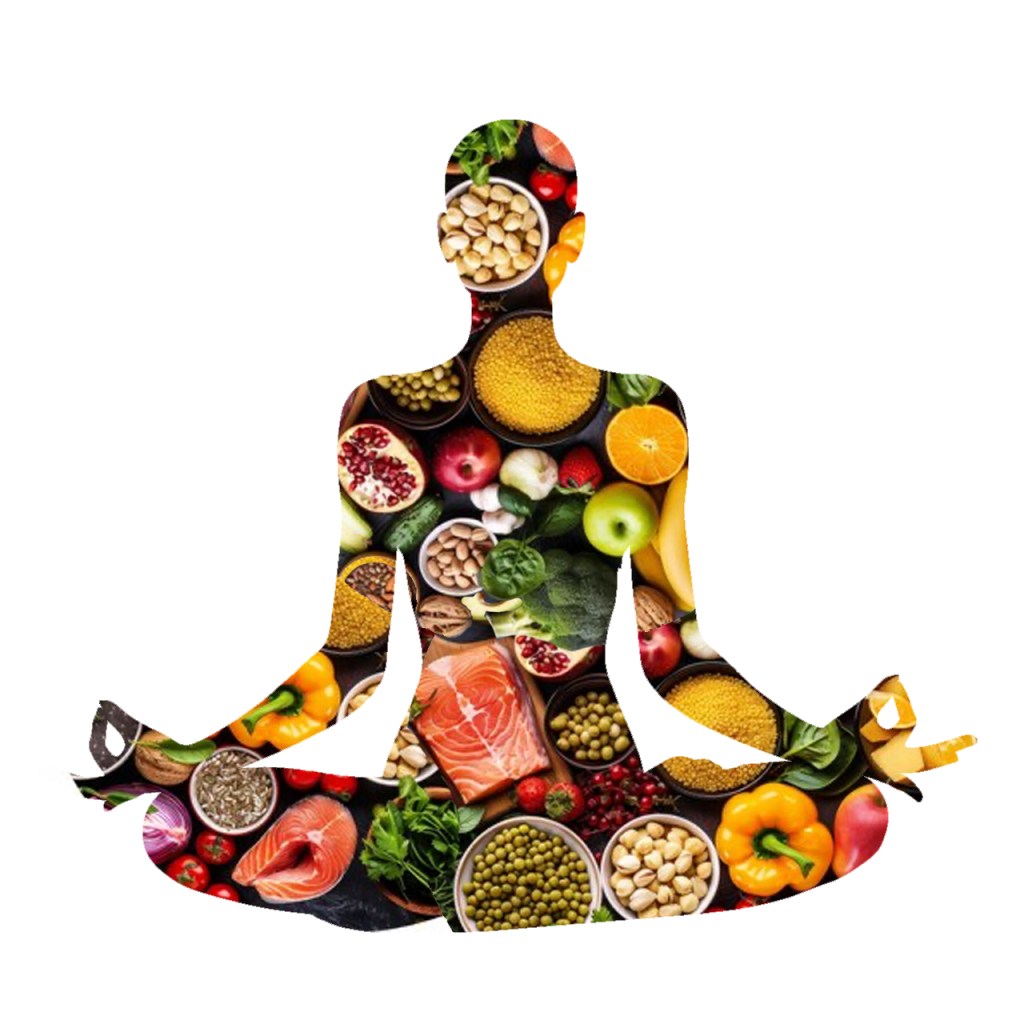
The “cosmic energy of foods” isn’t just about nutrients—it’s about their life force, vibration, alignment with nature, and the intention behind them. Eating consciously connects us not only to our body but also to the greater cosmos.
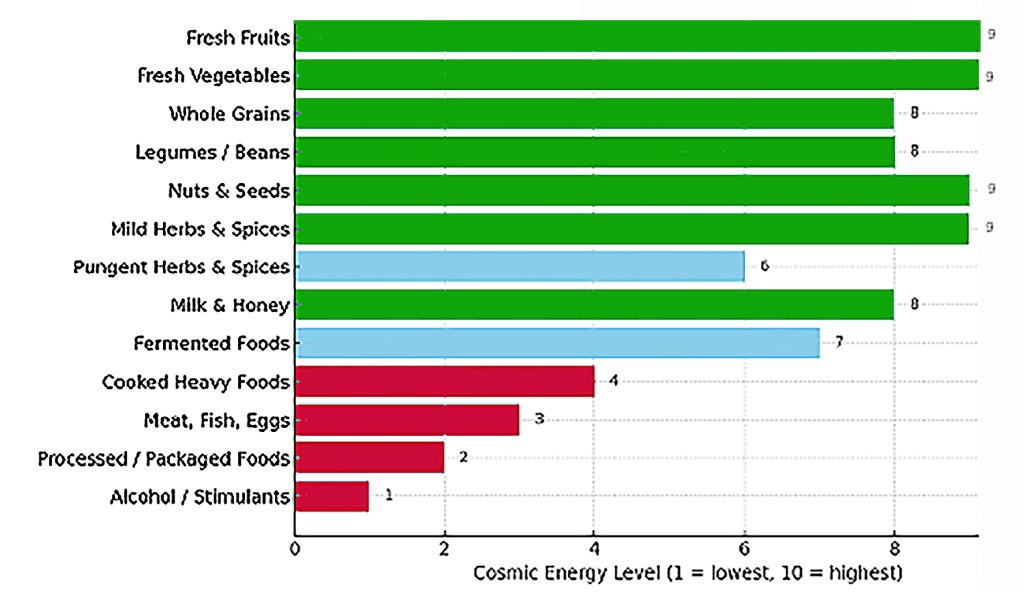
High Cosmic Energy Foods
These foods carry lots of prana/chi – the vital life-force. They’re best eaten fresh, seasonal, and minimally processed.
- Seasonal fruits: British apples, pears, strawberries, raspberries, blueberries, plums.
- Vegetables: Fresh greens like kale, spinach, spring greens, cabbage, courgettes, carrots, beetroot.
- Whole grains: Oats (porridge), barley, brown rice, quinoa (though imported).
- Legumes & pulses: Lentils (red, green), chickpeas, garden peas, broad beans.
- Nuts & seeds: Walnuts (traditionally grown in UK), flaxseed (linseed), sunflower seeds, pumpkin seeds.
- Herbs: Mint, parsley, rosemary, thyme, sage, basil – ideally fresh from the garden or windowsill.
- Natural sweeteners: Raw honey, dates, dried apricots.
- Beverages: Herbal teas (chamomile, nettle, peppermint), pure spring water.
Best for meditation, focus, energy, and overall wellbeing.
Medium Cosmic Energy Foods
Can be good in moderation
- Cooked vegetables (especially root veggies like potatoes, yams)
- Cooked legumes (lentils, beans, peas)
- Dairy (milk, ghee, yogurt — if fresh & ethically sourced)
- Whole wheat bread, pasta
- Mildly processed natural foods (tofu, nut butters, simple soups)
Low Cosmic Energy Foods
These foods are dense and grounding, but too much can lead to lethargy, foggy thinking, or imbalance.
- Meat & poultry: Especially mass-produced or processed (bacon, sausages, ready meals). Grass-fed, local meat is higher quality but still heavy.
- Fish: Fresh, sustainably caught can be nourishing; but tinned or farmed fish carries less life-force.
- Alcohol: Beer, cider, wine, spirits – traditional in UK culture but lower vibrational.
- Highly processed foods: Crisps, packaged snacks, chocolate bars, ready-made sandwiches, fast food.
- Refined sugar & white flour: Cakes, biscuits, white bread.
- Microwaved & leftover food: Energy diminishes the longer food sits.
- Canned goods: Convenient but low in vitality.
Best kept minimal if seeking clarity, vitality, or spiritual uplift.
Key Principles:
- Shop seasonal & local – British strawberries in June have more energy than imported ones in December.
- Cook fresh where possible – a homemade lentil stew or veg curry carries more life-force than a microwaved ready meal.
- Grow a little – even a windowsill herb pot of basil or mint raises the energy of meals.
- Mindful eating – eat without distractions, with gratitude, to absorb the food’s subtle energy.
- Balance, not perfection – it’s not about avoiding everything “low vibration,” but knowing how it affects your energy.
High energy foods connect you to nature and uplift your spirit.
Low energy foods can comfort but also weigh you down.
Going forward I can choose high energy foods and reduce the amount of meat and processed food I eat.
Sugar is not mentioned however I feel it fits in the same category as alcohol.
7-Day Cosmic Energy Meal Plan
Balance:
- Base meals on high cosmic energy foods (fresh, seasonal, local).
- Add moderate foods when you need energy or warmth.
- Keep low-energy foods minimal – occasional, not daily.
Day 1 – Light & Fresh
Breakfast: Porridge with British apples, flaxseed, and raw honey.
Lunch: Lentil & vegetable soup with fresh parsley, wholemeal bread.
Snack: Fresh berries with natural yoghurt.
Dinner: Roasted root veg (carrot, parsnip, beetroot) with quinoa and a green salad.
Drink: Peppermint tea.
Day 2 – Grounding & Energising
Breakfast: Overnight oats with walnuts, raisins, and a dash of cinnamon.
Lunch: Chickpea & kale salad with tahini dressing.
Snack: Carrot sticks with hummus.
Dinner: Vegetable curry with basmati rice (spiced with ginger, garlic, cumin).
Drink: Black tea (moderate energy).
Day 3 – Seasonal Connection
Breakfast: Smoothie (pear, spinach, flaxseed, oat milk).
Lunch: Barley & mushroom stew with thyme.
Snack: A handful of pumpkin seeds + an apple.
Dinner: Baked salmon (sustainably sourced) with steamed broccoli and new potatoes.
Drink: Nettle tea.
Day 4 – Clarity & Calm
Breakfast: Toasted rye bread with mashed avocado, lemon, and herbs.
Lunch: Tomato & basil soup with wholemeal crackers.
Snack: Fresh figs or dried apricots.
Dinner: Stir-fried seasonal veg (courgette, cabbage, peas) with tofu and brown rice.
Drink: Chamomile tea before bed.
Day 5 – Warming & Stimulating
Breakfast: Porridge with ginger, pear, and sunflower seeds.
Lunch: Red lentil dhal with spinach and chapati.
Snack: Kefir or kombucha (fermented energy).
Dinner: Shepherd’s pie (made vegetarian with lentils + root veg topping).
Drink: Black tea or coffee if needed.
Day 6 – Rest & Reset
Breakfast: Fresh fruit bowl (berries, apple, orange) with a drizzle of raw honey.
Lunch: Quinoa salad with roasted beetroot, kale, and walnuts.
Snack: Cucumber slices with hummus.
Dinner: Butternut squash soup with sourdough bread.
Drink: Fresh mint tea.
Day 7 – Balanced Indulgence
Breakfast: Wholemeal toast with almond butter & sliced banana.
Lunch: Chickpea stew with carrots, celery, and rosemary.
Snack: A few squares of dark chocolate (moderate energy).
Dinner: Roast dinner (vegetarian option: nut roast or mushroom Wellington; with lots of seasonal veg).
Drink: Herbal tea or a small glass of red wine (low-energy, but grounding in moderation).
Tips
- Farmers’ markets: best for fresh, high-vibration foods.
- Batch cooking: make soups, stews, and curries in advance for easy sattvic meals.
- Seasonal swaps: berries in summer, root veg in winter, greens in spring.
Seasonal foods in Uk/Europe
Spring (March – May)
Fruits
- Early rhubarb
- Strawberries (late spring)
Vegetables & Herbs
- Asparagus (April–June, peak May)
- Spring greens, spring onions
- Radishes, spinach, rocket, watercress
- New potatoes
- Lettuce, chicory
- Wild garlic, chives, sorrel
Summer (June – August)
Fruits
- Berries: strawberries, raspberries, gooseberries, blueberries, blackberries
- Cherries, apricots, plums, damsons, greengages
- Currants (red, black, white)
- Melon, peaches (later summer)
Vegetables & Herbs
- Courgettes, cucumbers, tomatoes, peppers
- Beans (broad, French, runner)
- Sweetcorn, aubergine
- Salad leaves (rocket, lettuce, watercress)
- Fresh herbs: basil, mint, coriander, parsley
Autumn (September – November)
Fruits
- Apples, pears
- Blackberries (early autumn)
- Plums, damsons
- Grapes, figs (early autumn)
- Quinces, medlars
Vegetables & Herbs
- Pumpkins, squashes
- Beetroot, turnips, swede
- Carrots, parsnips, celeriac
- Kale, cabbage, broccoli
- Mushrooms (wild, late autumn)
- Leeks, onions
Winter (December – February)
Fruits
- Apples (stored varieties)
- Pears
- Forced rhubarb (late winter, Yorkshire specialty)
Vegetables & Herbs
- Brussels sprouts, kale, savoy cabbage
- Parsnips, swede, turnips
- Leeks, cauliflower, Jerusalem artichokes
- Winter squash, potatoes
- Celery, chicory
- Herbs like rosemary, sage, thyme (hardy perennials)
In Summary
- Spring = greens, fresh shoots, early fruit
- Summer = berries, salads, colourful veg
- Autumn = roots, apples, squashes
- Winter = brassicas, roots, hardy herbs

I hope this has been helpful?
 Molly Wiliams Energy Alignment & Reflexology